What is Metatarsal Osteotomy?
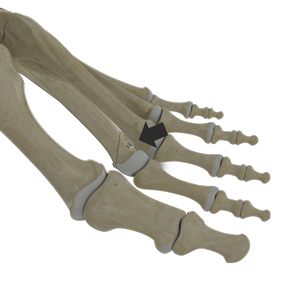
Metatarsal osteotomy is a surgical procedure used to treat deformities or conditions of the metatarsal bones in the foot, especially those causing pain, misalignment, or difficulty walking. During metatarsal osteotomy, your foot surgeon will cut the metatarsal bone and realign it to correct the deformity.
Metatarsal bones are the five long bones in the middle of the foot, located between the toes (phalanges) and the ankle bones (tarsals). They help support body weight, maintain balance, and play a crucial role in walking and running by enabling foot movement and flexibility.
What are the Indications for Metatarsal Osteotomy?
Common indications for metatarsal osteotomy include the following:
- Bunions (hallux valgus) – to realign the first metatarsal bone
- Metatarsalgia – to relieve pain from excessive pressure on the ball of the foot
- Hammertoes or claw toes – when caused by metatarsal misalignment
- Arthritis or joint deformities – to reduce pain and improve function
- Fracture malunion – to correct improperly healed metatarsal fractures
What Does the Procedure for Metatarsal Osteotomy Involve?
The metatarsal osteotomy procedure involves surgically cutting and realigning one or more of the metatarsal bones in the foot to correct deformities or relieve pain. In general, the procedure involves the following steps:
- The procedure is performed under local, regional, or general anesthesia, depending on the patient's condition and the surgeon's preference.
- A small incision is made over the affected metatarsal bone, usually on the top or side of the foot.
- The metatarsal bone is cut (osteotomy) at a specific location, depending on the deformity.
- The bone is realigned to correct the deformity or relieve pressure.
- The realigned bone is secured using screws, pins, or plates.
- The incision is closed with sutures, and a dressing or surgical shoe is applied.
What Does Postoperative Care for Metatarsal Osteotomy Involve?
Following the surgery, the patients are usually advised to keep weight off the operated foot for a few weeks, using crutches or a walker as needed. A special surgical shoe or boot is worn to protect the foot and maintain proper alignment. Elevation and ice application help reduce swelling and discomfort. Pain is managed with prescribed medications, and dressings must be kept clean and dry. Follow-up visits allow the surgeon to monitor healing, remove stitches, and assess bone alignment through X-rays. Gradual return to normal activities and, if needed, physical therapy are recommended to restore strength and mobility.
What are the Risks and Complications of Metatarsal Osteotomy?
Risks and complications associated with metatarsal osteotomy include the following:
- Infection or wound healing problems
- Nerve injury or numbness
- Nonunion or delayed bone healing
- Persistent pain or stiffness
- Recurrence of the deformity
What are the Benefits of Metatarsal Osteotomy?
Benefits of metatarsal osteotomy include the following:
- Corrects foot deformities (e.g., bunions, metatarsalgia)
- Reduces pain and pressure on the foot
- Improves foot function, alignment, and appearance
- Enhances mobility and quality of life
If you wish to be advised on the most appropriate treatment, please call to schedule an appointment or click to request an appointment online.