
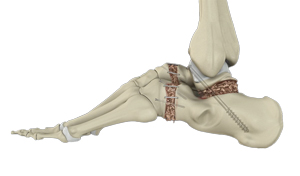
What are Hindfoot Reconstructive Procedures?
Hindfoot reconstructive procedures are a group of advanced surgical techniques used to restore alignment, stability, and function of the hindfoot, which includes the heel (calcaneus), ankle, and surrounding joints. Hindfoot reconstruction may involve a combination of osteotomies (bone cuts), joint fusion (arthrodesis), tendon repairs or transfers, ligament reconstruction, and, in some cases, ankle or subtalar joint correction. The goal is to relieve pain, correct deformity, improve walking ability, and prevent further joint damage. Treatment is highly individualized and depends on the patient’s condition, activity level, and overall foot alignment.
What are the Indications for Hindfoot Reconstructive Procedures?
Indications for hindfoot reconstructive procedures include chronic hindfoot pain, severe deformities such as flatfoot or cavovarus foot, advanced arthritis of the ankle or subtalar joints, posterior tibial tendon dysfunction, and instability following trauma. These procedures are also recommended when non-surgical treatments fail to relieve symptoms and when deformity or joint damage significantly affects mobility and daily activities.
How Should I Prepare for Hindfoot Reconstructive Procedures?
Preparation for a hindfoot reconstructive procedure involves a thorough medical evaluation to ensure you are fit for surgery, including blood tests, imaging studies, and a detailed assessment of your hindfoot. Your doctor may advise optimizing existing health conditions like diabetes, stopping certain medications, quitting smoking, and fasting. Arranging home support and following your surgeon’s instructions helps ensure a smoother surgery and recovery.
What Should I Expect During Hindfoot Reconstructive Procedures?
During hindfoot reconstructive procedures, the surgery is performed under regional or general anesthesia. The foot and ankle are positioned to allow precise access to the hindfoot structures. The surgeon corrects deformities and restores alignment using techniques such as bone cuts (osteotomies), joint fusion, tendon repair or transfer, and fixation with screws or plates as needed. The incisions are then closed, and the foot is immobilized in a cast or boot.
What Does Postoperative Care and Recovery After Hindfoot Reconstructive Procedures Involve?
Following the surgery, the foot is typically immobilized in a cast or boot, and patients are advised to avoid putting weight on the foot for several weeks. Pain and swelling are managed with medications, elevation, and rest. Regular follow-up visits are essential for monitoring healing and ensuring proper alignment. As recovery progresses, gradual weight-bearing and physical therapy are introduced to restore strength, flexibility, and walking ability, helping patients return to daily activities with improved comfort and stability.
What are the Risks and Benefits of Hindfoot Reconstructive Procedures?
Hindfoot reconstructive procedures offer significant benefits but, like any surgery, also carry certain risks.
Benefits
- Relieve chronic foot and ankle pain
- Correct deformities and improve foot alignment
- Restore stability and improve walking ability
- Slow or prevent the progression of joint damage
- Enhance overall mobility and quality of life
Risks
- Infection or delayed wound healing
- Blood clots or nerve injury
- Nonunion or delayed bone healing
- Hardware irritation or failure
- Persistent pain, stiffness, or reduced motion
- Need for additional surgery in some cases
If you wish to be advised on the most appropriate treatment, please call to schedule an appointment or click to request an appointment online.